Electrical FAQ for Loganville-Area Homeowners

Electrical Questions Homeowners Ask Before They Call an Electrician

Real answers based on field experience in Loganville, Snellville, Grayson, Lawrenceville, Monroe, Walton County, and Gwinnett County. Learn what breaker trips, dead outlets, flickering lights, burnt wiring, EV charger planning, panel concerns, and lighting upgrades usually mean.

15+ Years of Experience Free Estimates Same-Day Service When Available Warranty-Backed Work
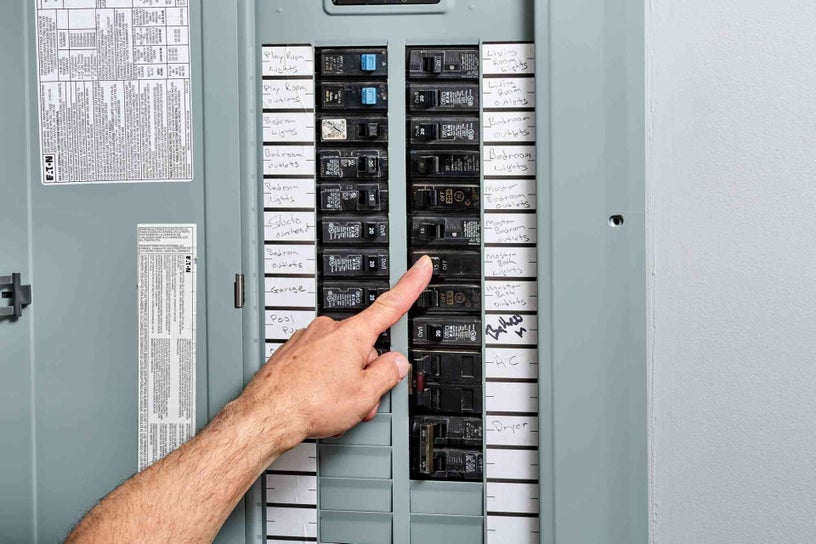
Electrician working at a residential electrical panel
15+ Years Experienced electrical troubleshooting and installation
Clear Explanations We explain the issue before the repair starts
Clean Workmanship Professional, neat, and respectful in occupied homes
Free Estimates Available for many upgrade and installation jobs
Stand Behind the Work Warranty-backed service with practical recommendations

Why This FAQ Page Is Different

Most electrician FAQ pages recycle the same generic questions. This one is built around the problems homeowners actually call about. Instead of vague answers, it uses service-call experience, practical explanations, and examples from real work performed by Kais Pro Repairs.

What This Page Helps You Decide

If you are trying to figure out whether a problem is urgent, whether an outlet or breaker issue needs a real diagnosis, whether your panel can support an EV charger, or what affects the cost of electrical work, this page gives you a clearer answer than the usual one-line FAQ.

  • Understand what repeated breaker trips usually mean
  • Know when a dead outlet is part of a bigger wiring issue
  • See when a panel upgrade is worth considering
  • Learn why EV charger installs should never be treated like a basic plug-in device
  • Get practical answers without generic filler

Real Electrical Jobs Behind the Answers

These examples show how electrical questions usually play out in the field. They also show the difference between guessing and actually diagnosing the cause.

Electrician testing a breaker during a breaker tripping diagnosis
Breaker Troubleshooting

Breaker Tripping in a Grayson Bedroom

On a second-floor bedroom call, the breaker kept tripping with no obvious appliance overload. The real cause turned out to be a loose back-stabbed outlet connection that created a fault condition. The fix was not just “replace the breaker.” It was proper troubleshooting, repair, and securing the device connections correctly.
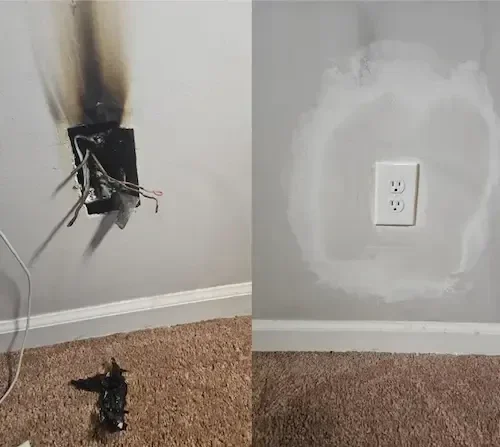
Burnt electrical outlet from overload and overheating
Emergency Electrical Repair

Burnt Outlet in Loganville

A homeowner was using a high-draw space heater on a circuit that was not suited for that load. The outlet overheated and burned. We repaired the damaged device and wiring area, then added a dedicated 20-amp circuit so the same problem would not keep coming back.

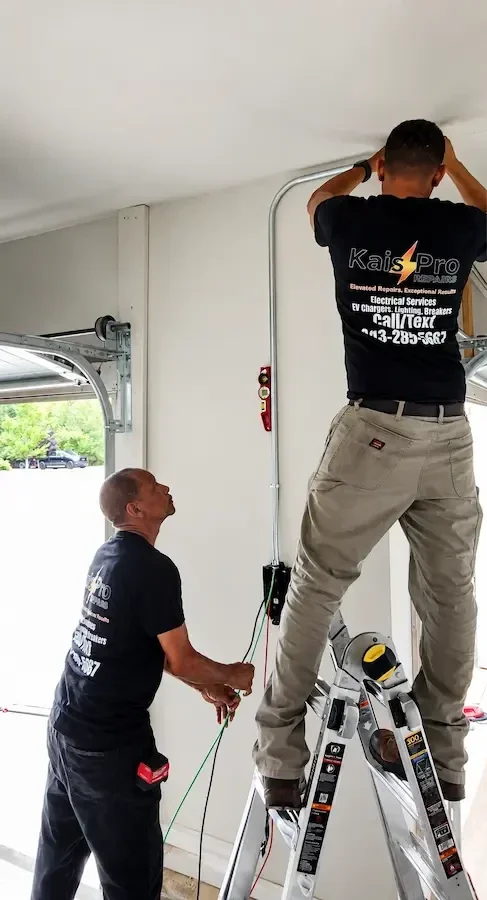
Tesla EV charger installation in a residential garage
EV Charger Installation

Hardwired Tesla Wall Connector

On a Loganville EV charger installation, the homeowner wanted much faster charging than a 120-volt setup could provide. We installed a hardwired Tesla Wall Connector on a properly sized 60-amp breaker using #6 conductors.

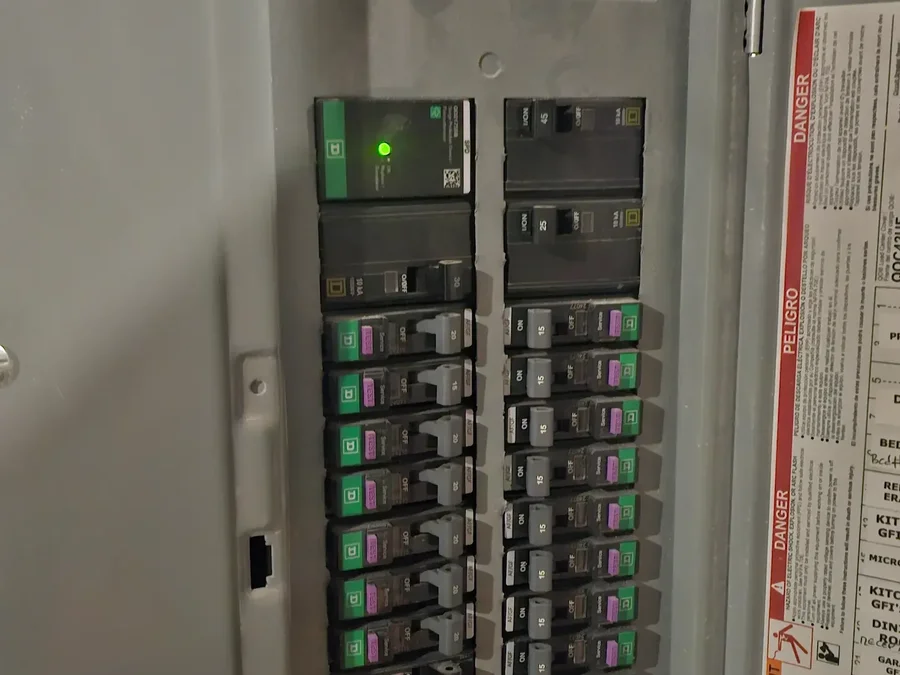
Whole-home surge protector installed in electrical panel
Surge Protection

Whole-Home Surge Protection After Lightning Concerns

After power-event concerns and damaged electronics, we installed whole-home surge protection at the main panel. Many homeowners think surge protection is only about convenience. In reality, it helps protect sensitive electronics and appliances from power disturbances.

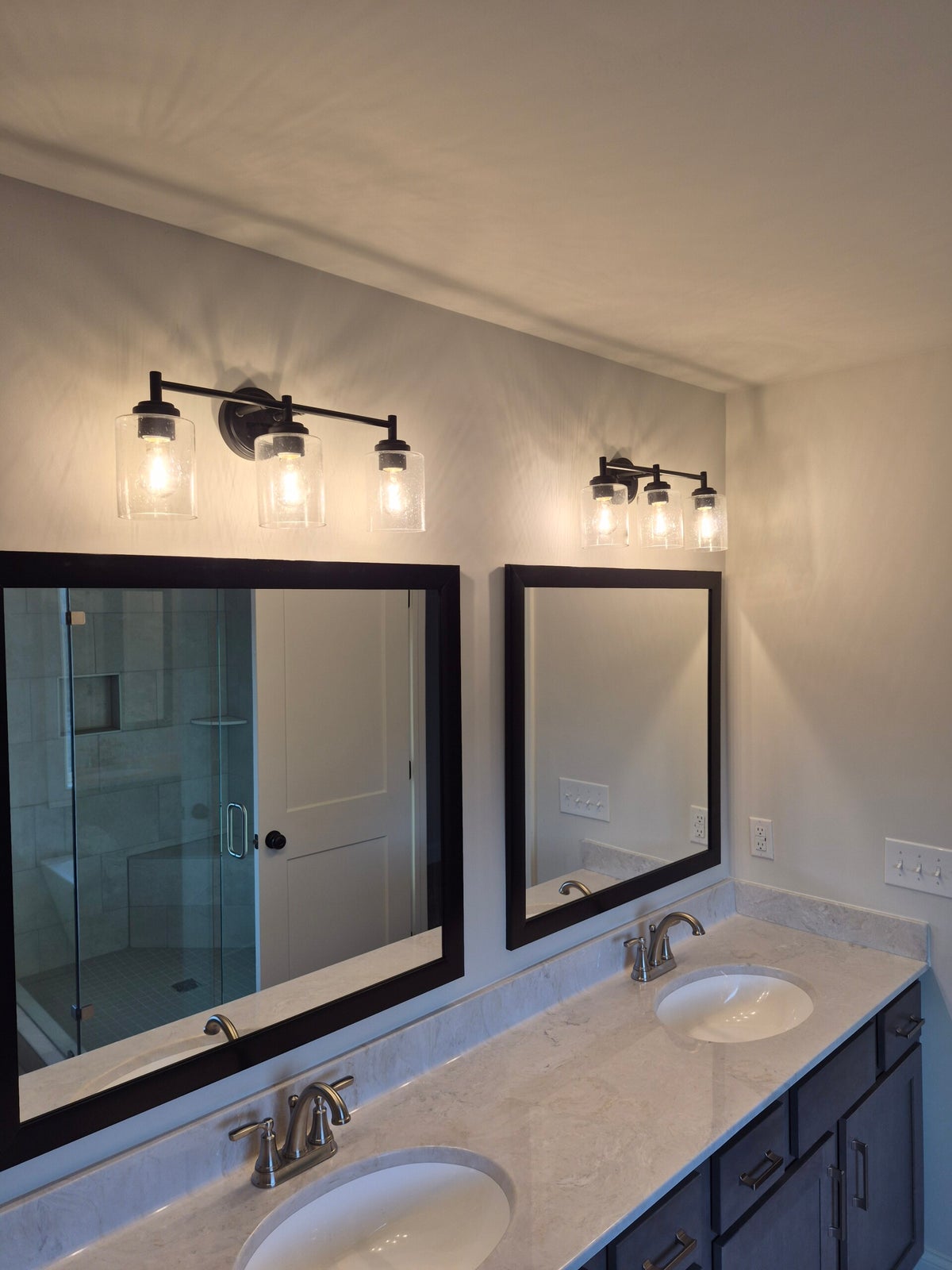
Indoor or outdoor lighting installation completed by electrician
Lighting Installation

Lighting Upgrade for Better Safety and Usability

Lighting work is not only about putting up a fixture. The right installation considers switch placement, circuit loading, appearance, and how the space is actually used. Good lighting work should feel cleaner and more intentional when it is finished.

Troubleshooting Mindset

Why Homeowners Call After Trying the “Easy Fix” First

A lot of electrical problems look simple at first: reset the breaker, replace the outlet, swap the switch, or unplug the appliance. The problem is that symptoms and causes are not always the same thing. The real value of troubleshooting is finding the actual failure point.

Electrical FAQ: Troubleshooting Problems at Home

These are the questions homeowners ask when something is already going wrong and they want to know whether the issue is minor, urgent, or part of a bigger electrical problem.

Breaker Trips, Flickering Lights, Dead Outlets & Power Loss

If you are dealing with a live electrical problem, the main goal is to identify the real cause rather than only react to the symptom.

That usually points to an overloaded circuit, not just a “bad breaker.” In many homes, several outlets are tied to the same branch circuit, and when two high-draw appliances run together, the breaker trips because it is protecting the wiring. The right fix might be load management, a dedicated circuit, or redistributing the load properly. If breaker issues are becoming routine, see our circuit breaker service page.

Partial power loss often means the failure point is somewhere upstream in the circuit. It could be a tripped GFCI, a failed breaker that does not look fully tripped, a loose connection, or even damaged wiring. One failed connection can knock out everything downstream. This is one of the best examples of why troubleshooting matters more than guessing. If you need help now, start on our electrical service page.

Yes. A warm outlet can mean a loose connection, overloading, arcing, or a device beginning to fail. If you also notice discoloration, crackling, a burnt smell, or intermittent operation, stop using it and have it checked. Working does not mean safe. Many damaged outlets still “work” until they fail more seriously.

A brief change in brightness can happen when a heavy load starts, but repeated or worsening flickering should not be ignored. Common causes include loose terminations, voltage drop, overloaded circuits, weak panel connections, or aging electrical components. The key question is not only “do the lights flicker?” but also “what load causes it, how often, and has it gotten worse?”

That often happens because the dead outlet is not the real source of the problem. A tripped GFCI, a loose upstream device, a failed receptacle, or a hidden wiring issue elsewhere in the circuit may be cutting off power to everything after it. The practical approach is to trace the circuit path and identify the first failure point.

No. A defective breaker is possible, but it is far from the only cause. Many tripping problems come from overloaded circuits, wiring faults, failing appliances, or loose connections at outlets, switches, or panel terminations. Replacing a breaker without diagnosis can waste time and leave the underlying hazard in place. For deeper help, visit our breaker troubleshooting page.

Upgrades, Installations & Planning Ahead

The best upgrade decisions come from understanding load, capacity, usage, and long-term practicality instead of choosing only by price.

In many cases, yes. Dedicated circuits reduce nuisance tripping, protect equipment, and help keep the installation code-compliant when required. EV chargers are especially important because they are treated as continuous loads. If you are planning an upgrade or new circuit, our electrical services page is a good place to start.

That depends on more than the number printed on the panel. Available breaker space, existing demand, wire routing, charger size, and the home’s overall load all matter. Some homes only need a new dedicated circuit. Others need additional space, a smarter load plan, or a panel/service upgrade. The mistake is assuming every 200-amp panel automatically makes every EV charger installation simple.

A panel upgrade makes more sense when the panel is overcrowded, the equipment is outdated, the home is adding larger loads, or there are signs of heat, corrosion, or unsafe changes from earlier work. Sometimes “making one more breaker fit” solves today’s need but ignores a system that has already outgrown the house.

Good lighting work starts with how the space will be used. Then you look at circuit capacity, switch placement, fixture choice, brightness, weather exposure for outdoor lighting, and how clean the finished installation will look. A better lighting plan improves safety and usability, not just appearance. If that is the project you are considering, see our indoor and outdoor lighting page.

Pricing, Estimates & What to Expect

Homeowners want pricing answers, but the honest answer is that electrical work depends on the actual conditions, not a made-up number pulled out of the air.

Yes, free estimates are available for many installation and upgrade jobs. But for active problems like repeated breaker trips, flickering lights, dead outlets, or partial power loss, troubleshooting is usually the smarter first step. Responsible pricing starts with knowing what is actually wrong. Otherwise, the estimate is just a guess.

The final cost depends on real conditions: wiring access, distance to the work area, panel space, code requirements, device type, the condition of the existing system, and whether troubleshooting is needed first. A serious electrician explains what affects the job instead of promising a one-size-fits-all number that may not apply once the work is actually inspected.

Need an Electrician in Loganville or Nearby?

If you are dealing with breaker problems, dead outlets, flickering lights, electrical burning smells, lighting upgrades, surge protection, or a planned electrical project, Kais Pro Repairs serves homeowners in Loganville, Snellville, Grayson, Lawrenceville, Monroe, Walton County, and Gwinnett County with clear explanations, clean workmanship, free estimates on many jobs, and same-day service when available.