Hardwired vs Plug In EV Charger: Which Setup Is Better?
A hardwired EV charger connects directly to your electrical system. A plug in EV charger connects to a dedicated outlet. Both can work, but they are not the same. The better choice depends on charging speed, safety, future flexibility, panel capacity, and how long you plan to stay in the home.
What Is Hardwired vs Plug In EV Charging?
Before comparing pros and cons, homeowners need the plain explanation first.
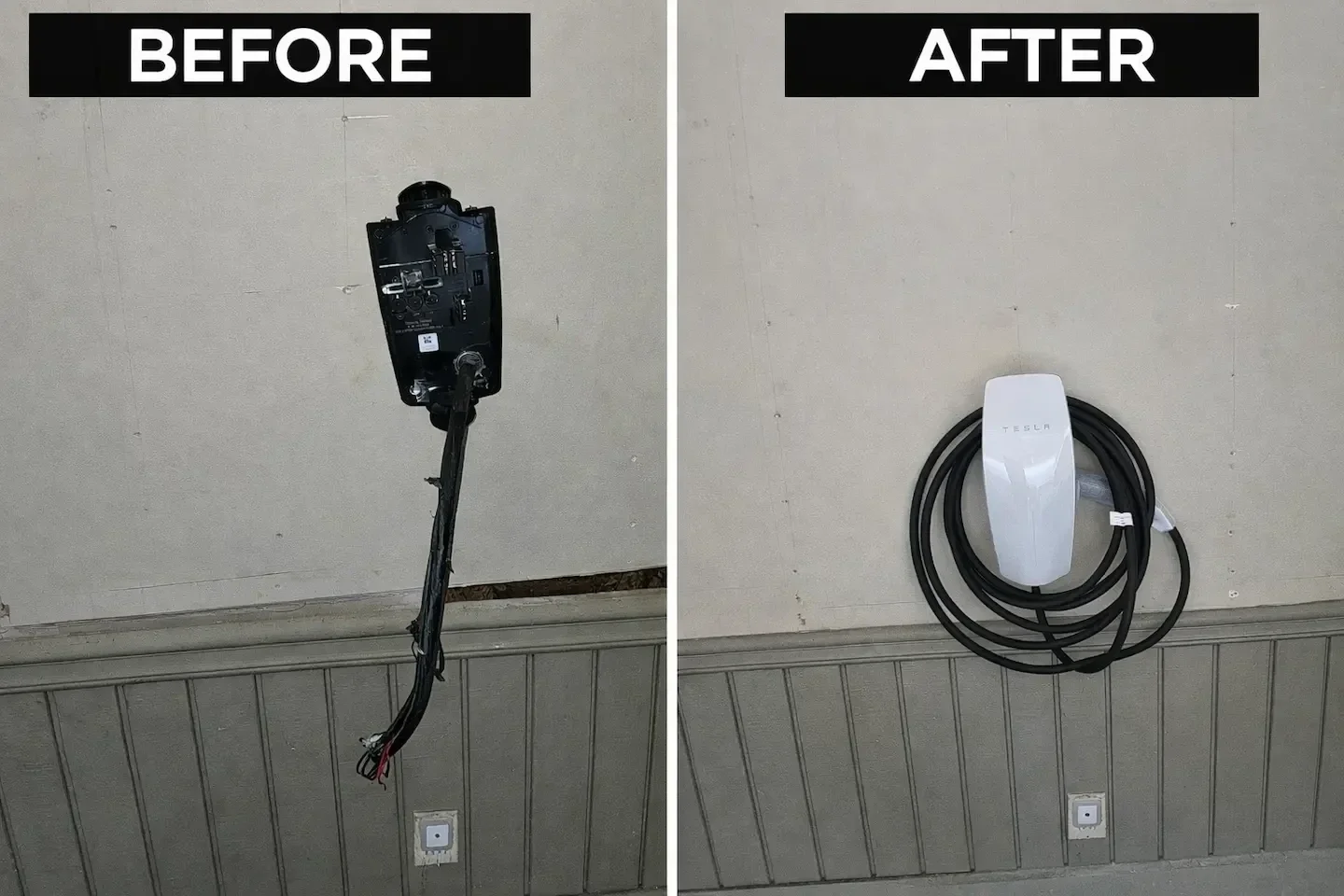
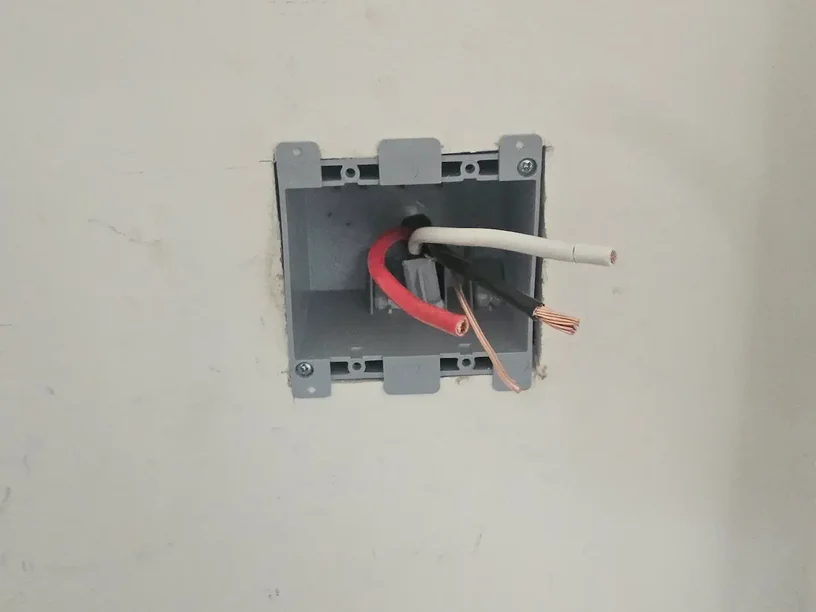
A hardwired EV charger is permanently connected to the electrical circuit. The wire comes from the panel and terminates directly inside the charger. There is no receptacle to unplug from.
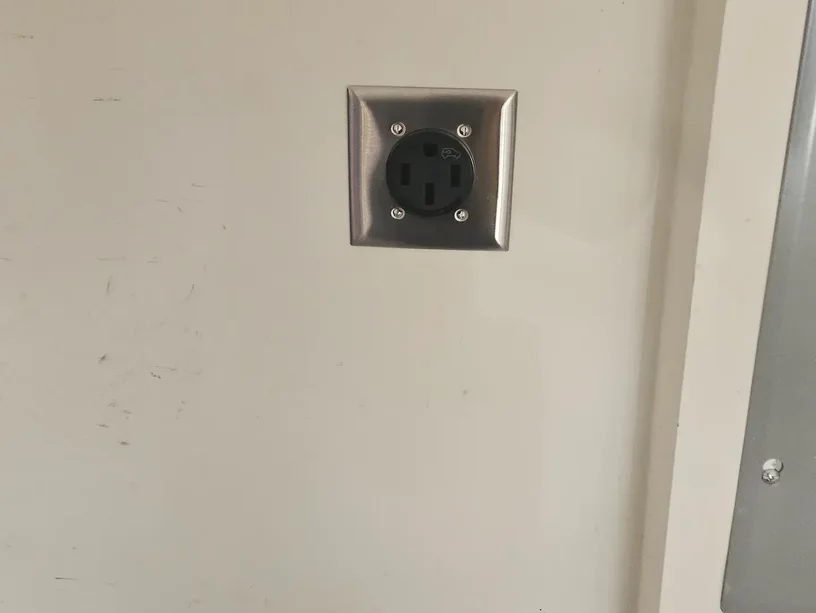
A plug in EV charger connects to a dedicated EV outlet, commonly a NEMA 14-50 receptacle. The charger can be unplugged from the outlet if the homeowner wants to remove it, replace it, or take it when moving.
The short answer: hardwired is usually better for maximum charging performance and fewer connection points. Plug in is usually better for flexibility. The right choice depends on the home, the charger, the panel, and the homeowner’s future plans.
If you are planning a new charger installation, visit our EV charger installation page to see how Kais Pro Repairs helps homeowners choose the correct Level 2 setup.
Hardwired vs Plug In EV Charger: The Real Comparison
Most competitor blogs make this topic too simple. They either say hardwired is better every time or they sell the convenience of plug in chargers without explaining the tradeoffs. That is not how real electrical work works.
| Category | Hardwired EV Charger | Plug In EV Charger |
|---|---|---|
| Charging Speed | Often allows higher output, especially when the charger supports a larger circuit such as 60 amps. | Usually limited by the outlet and circuit size, commonly a 50 amp circuit with lower usable charging output. |
| Flexibility | More permanent. Removing or relocating it usually requires electrical work. | Can be unplugged and removed more easily if the homeowner moves or changes chargers. |
| Connection Points | Fewer connection points because there is no receptacle and plug connection. | More connection points because the circuit includes the receptacle and plug. |
| Long-Term Use | Often better for homeowners who plan to stay in the home and want a permanent setup. | Often better for homeowners who want future flexibility or may sell the home later. |
| Appearance | Usually cleaner because the wiring goes directly into the charger. | May show the outlet, plug, and cord depending on the layout. |
| Safety Concerns | Still requires proper breaker sizing, wire sizing, torque, and load calculation. | Requires those same checks, plus proper receptacle quality and termination because EV charging is a long-duration load. |
A Tesla Wall Connector can often charge faster when hardwired on a 60 amp circuit than when connected through a 50 amp outlet. But not every homeowner needs the fastest setup. Some homeowners value being able to unplug the charger later more than squeezing out the highest possible charging rate.
Pros And Cons Of A Hardwired EV Charger
Hardwired EV Charger Pros
- Usually the better choice for maximum Level 2 charging performance.
- Can allow higher circuit options when the charger and electrical system support it.
- Removes the receptacle as a possible heat point.
- Creates a cleaner permanent installation.
- Often preferred for Tesla Wall Connector installations when the homeowner wants the strongest setup.
Hardwired EV Charger Cons
- Less convenient if the homeowner wants to take the charger when moving.
- Future replacement may require an electrician.
- Less flexible if the homeowner changes charger brands later.
- Not always necessary if the homeowner does not need maximum charging speed.
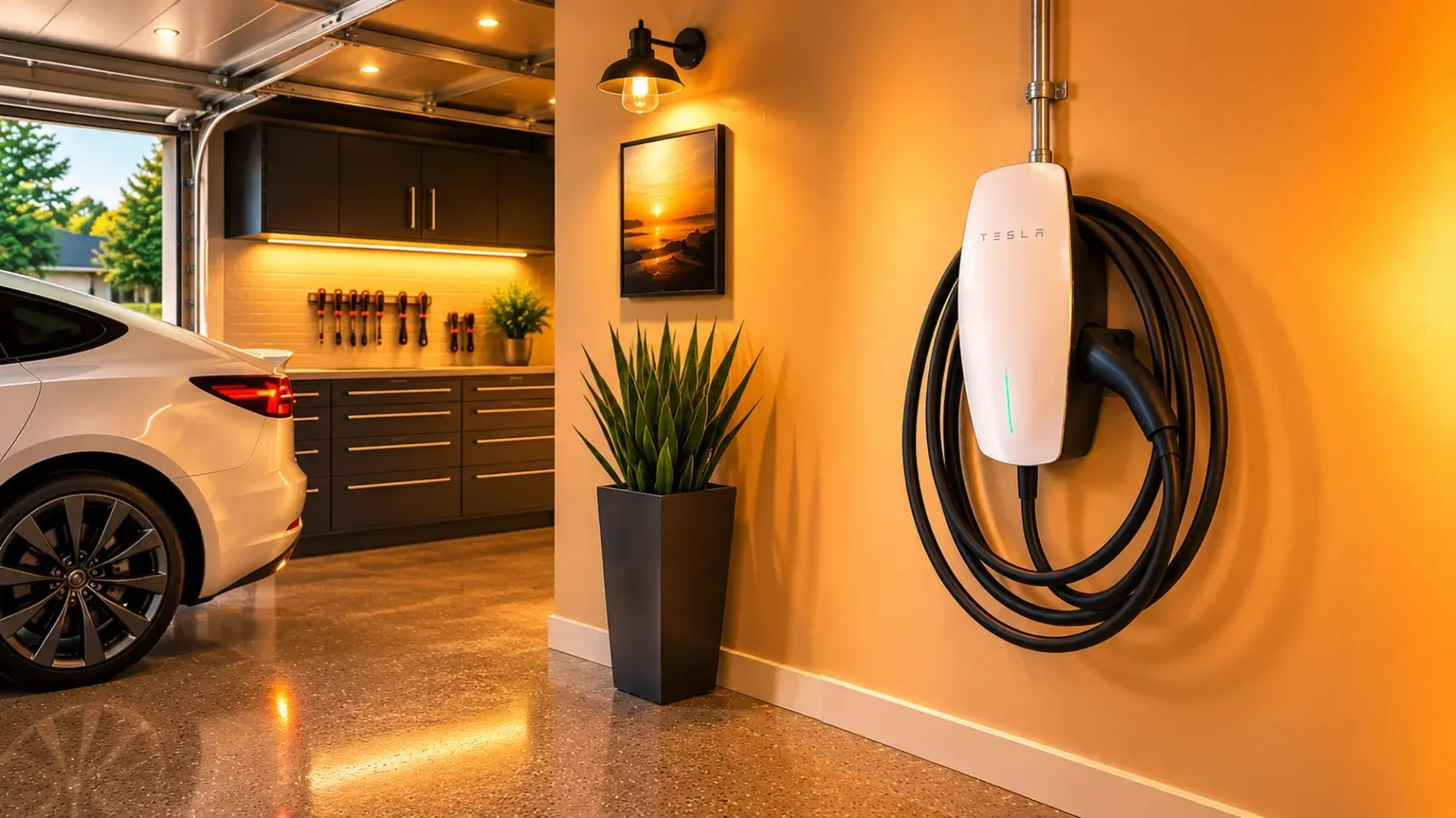
Hardwired setups make sense when the homeowner wants a long-term EV charging station, higher charging output, and a cleaner installation. They are especially useful when the electrical panel has the capacity and the charger is designed to take advantage of a larger circuit.
Some homes may also need an electrical panel upgrade or panel evaluation before installing a higher-output EV charger.
Pros And Cons Of A Plug In EV Charger
Plug In EV Charger Pros
- The charger can be unplugged if the homeowner moves or sells the home.
- Replacement can be easier when the charger fails or gets upgraded.
- It gives homeowners more flexibility for future equipment changes.
- It can be a practical choice when convenience matters more than maximum charging speed.
Plug In EV Charger Cons
- Usually does not deliver the same maximum output as a properly hardwired 60 amp setup.
- The receptacle and plug create additional connection points.
- Cheap or worn receptacles can overheat under long charging sessions.
- Homeowners often make the mistake of trying to use old dryer outlets.
The plug in setup is not automatically wrong. The mistake is treating an EV charger like a normal appliance. EV charging can run for hours at a time, so the outlet, breaker, wire, terminations, and panel capacity all matter.
Why You Should Not Assume Any Dryer Outlet Can Charge An EV
This is one of the biggest homeowner mistakes with Level 2 EV charging. A homeowner sees a dryer outlet in the garage or laundry area and assumes it can be used for an EV charger.
Sometimes the outlet may be usable after proper evaluation. Other times, it is the wrong circuit, wrong outlet, wrong condition, wrong wiring, or wrong location.
EV charging is a continuous load under the National Electrical Code because the charger may pull high current for several hours. That is different from a dryer cycling on and off during normal use.
- Older dryer outlets may have worn contacts.
- Terminals may be loose from years of use.
- The circuit may not be dedicated for EV charging.
- The breaker and wire may not match the charger’s requirements.
- Some older installations may have wiring concerns that should be checked before use.
If your EV charger is tripping breakers, showing faults, or causing heat at the outlet, you may need circuit breaker troubleshooting or a properly installed dedicated EV charging circuit.
Case Study: Plug In EV Charger Outlet Installed In Loganville, GA
We recently installed a dedicated 50 amp EV charger outlet for a homeowner in Loganville, Georgia. The homeowner planned to use a Tesla Level 2 Wall Connector and wanted to understand the difference between hardwired and plug in charging before deciding.
The homeowner liked the convenience of being able to unplug the wall connector if they ever sold the home or moved. That was the deciding factor. Maximum charging speed mattered, but future flexibility mattered more.
For this project, we installed a 50 amp EV charger outlet on #6 wires with a 50 amp breaker inside the garage. Before completing the installation, we verified that the home had a 200 amp panel and enough spare capacity to safely support the added EV charging load.
We also explained that a hardwired Tesla Wall Connector may charge faster if upgraded later to a properly sized 60 amp circuit, assuming the charger, wiring method, and panel capacity support that upgrade.
This is the type of decision homeowners should make after understanding the tradeoff, not after reading random internet advice. The correct installation depends on the charger, panel capacity, wire size, breaker size, and homeowner goals.
Homeowners in the area can also review our Loganville electrician services for electrical repair, troubleshooting, and installation help.
When Should You Choose Hardwired?
Choose hardwired if you want the cleanest permanent setup and the best chance of higher charging performance.
Hardwired is usually the stronger option when:
- You plan to stay in the home long term.
- You want maximum practical Level 2 charging speed.
- You want fewer plug and receptacle connection points.
- You are installing a Tesla Wall Connector as a permanent charger.
- Your panel capacity and wiring method can safely support the installation.
When Should You Choose Plug In?
Choose plug in if flexibility is more important than maximum charging speed.
Plug in charging can make sense when:
- You may sell the home or move later.
- You want to unplug and remove the charger if needed.
- You want easier charger replacement in the future.
- You are comfortable with the charging speed available from a properly installed 50 amp EV outlet.
- The outlet is installed correctly using the proper breaker, wire, receptacle, and terminations.
The key phrase is properly installed. A dedicated EV outlet is not the same thing as grabbing an old dryer outlet and assuming it is safe for nightly charging.
Related Electrical Services For EV Charger Installations
EV charger installation often connects to other electrical issues in the home. If the panel is overloaded, the breaker is wrong, the wiring is undersized, or the outlet is not rated for the load, the charger may trip, fault, or create heat.
Need A Level 2 EV Charger Installed The Right Way?
Kais Pro Repairs helps homeowners choose the right EV charger setup based on the charger, the electrical panel, charging goals, and future plans for the home.
Whether you need a hardwired Tesla Wall Connector, a dedicated 50 amp EV outlet, a panel evaluation, breaker troubleshooting, or a future upgrade path, we can help.
We serve Loganville, Snellville, Grayson, Monroe, Lawrenceville, Walton County, Gwinnett County, and nearby areas.